The Dragonera Marine Reserve
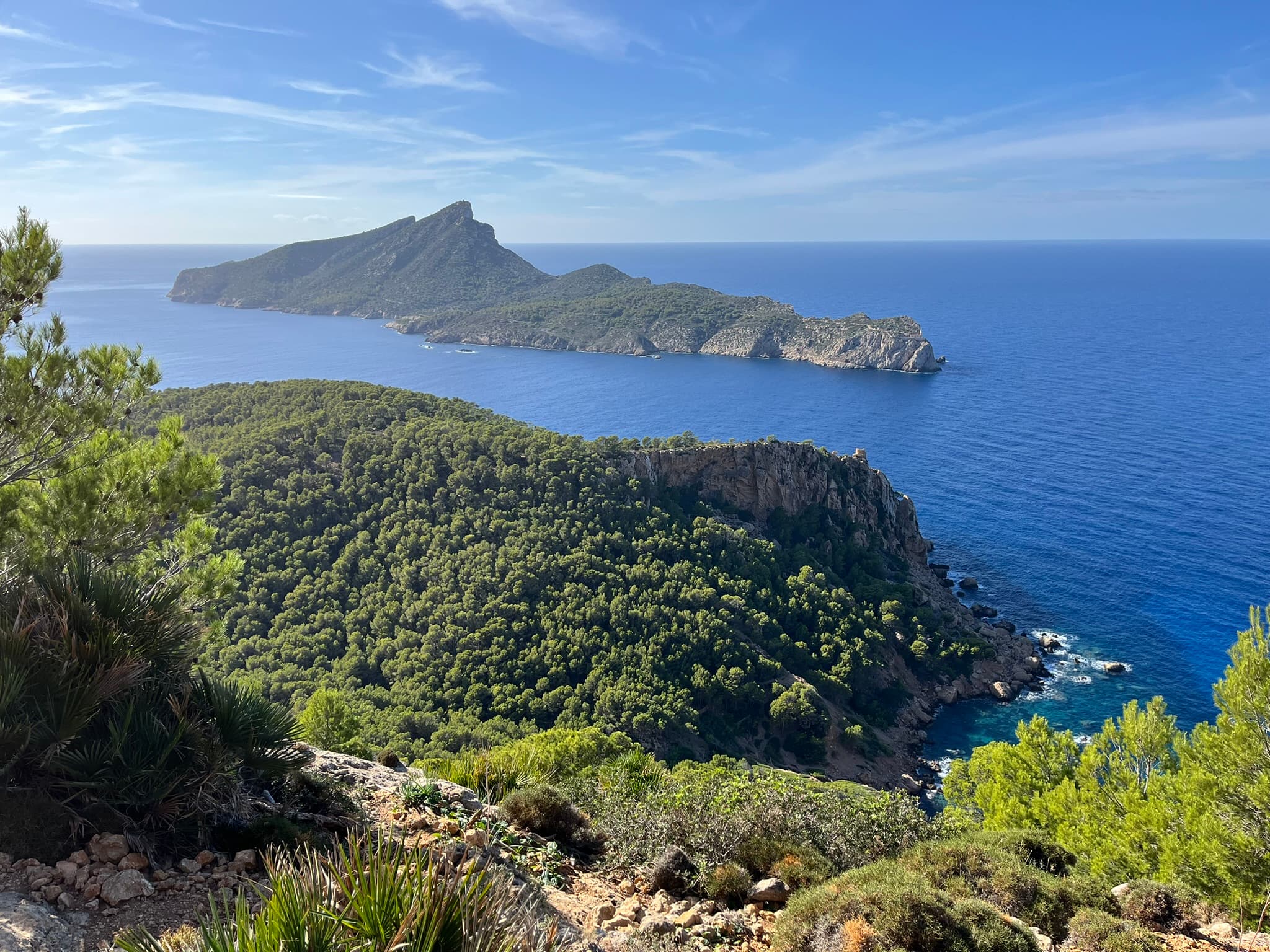
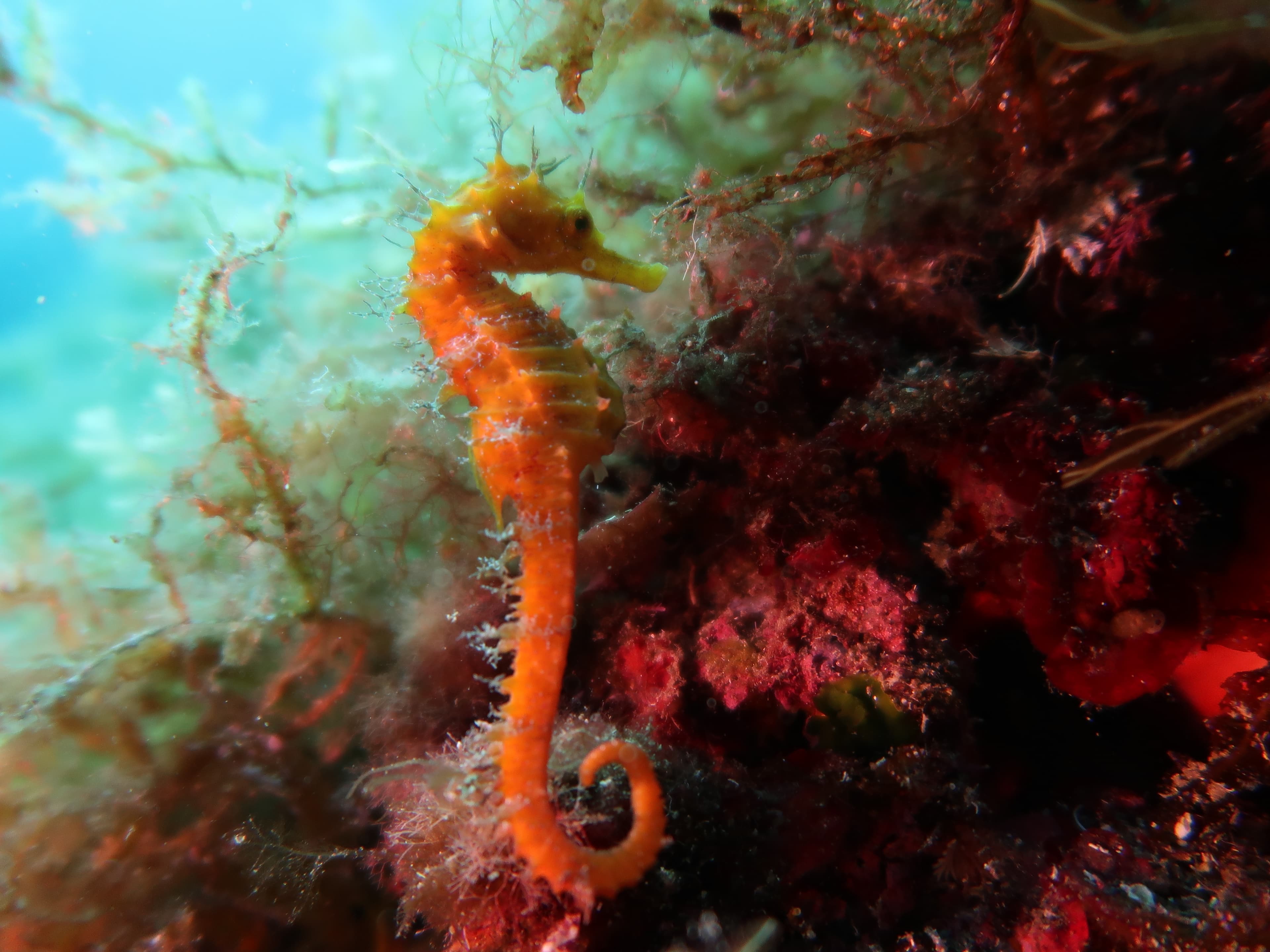
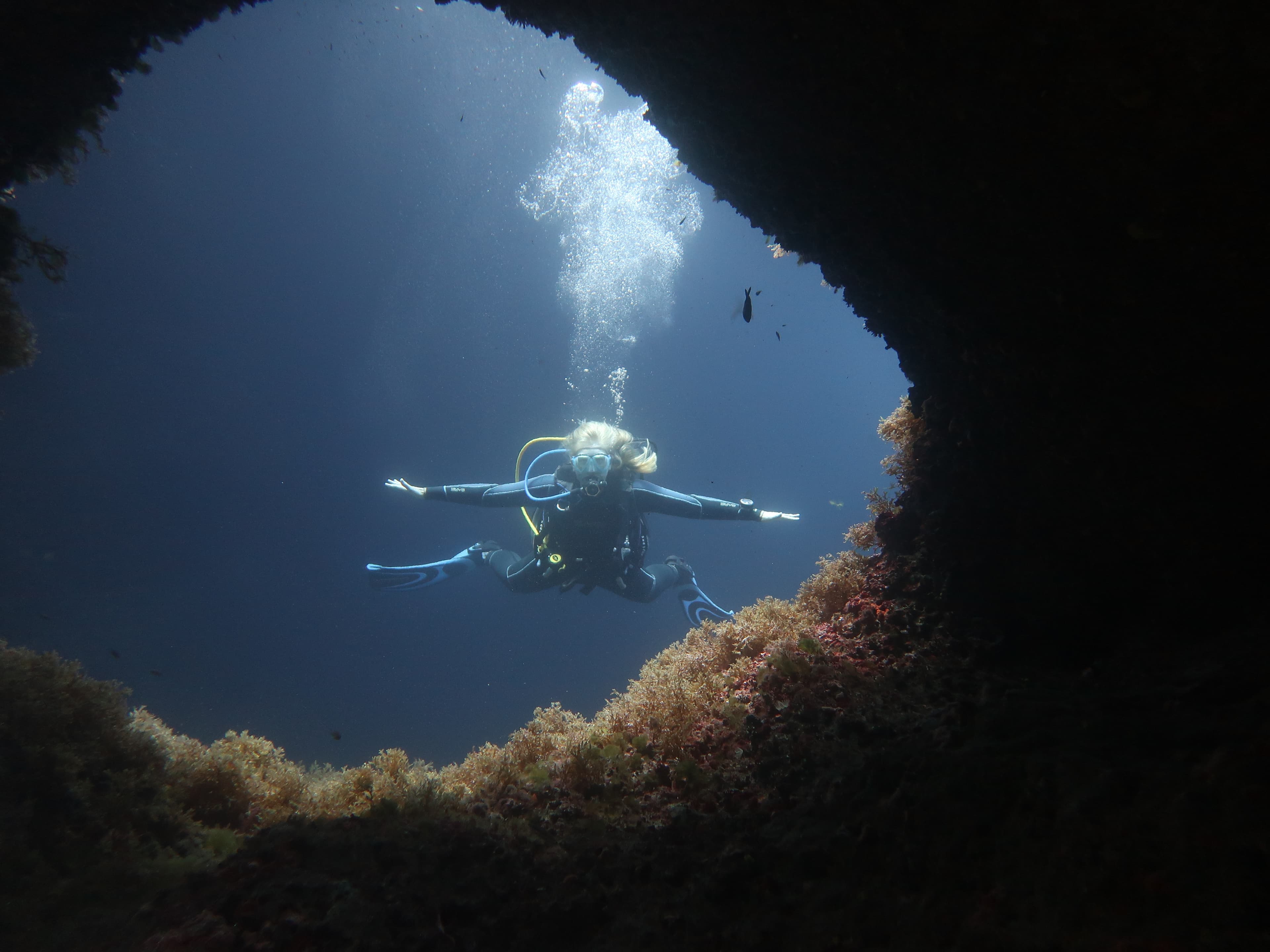
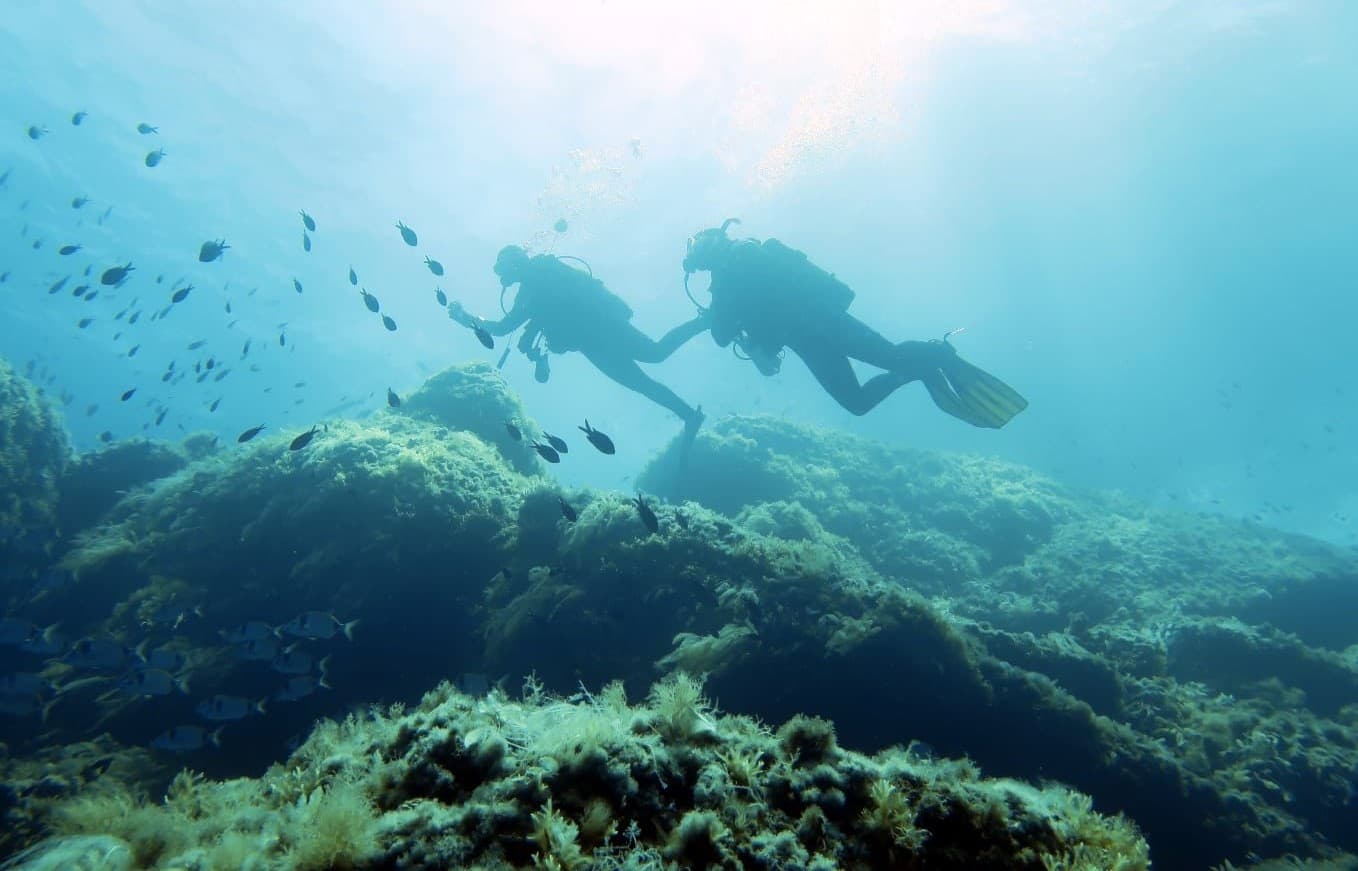
The Sa Dragonera marine reserve is one of Mallorca's most impressive and beautiful dive areas. Protected both above and below the water, the island marks the south-westernmost point of Mallorca and delights with crystal-clear water, fascinating rock formations, caves, grottos and an extraordinarily vibrant underwater world.
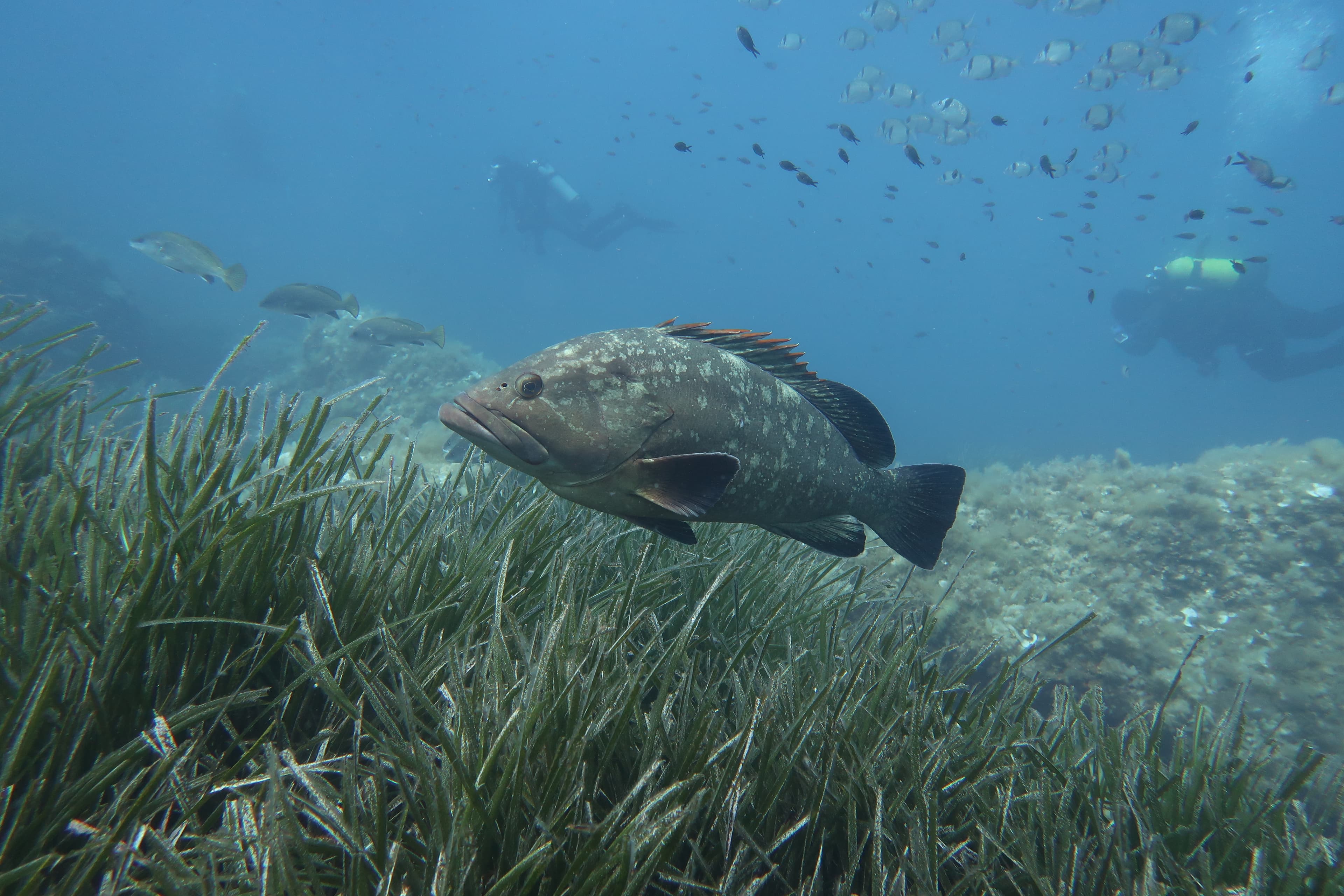
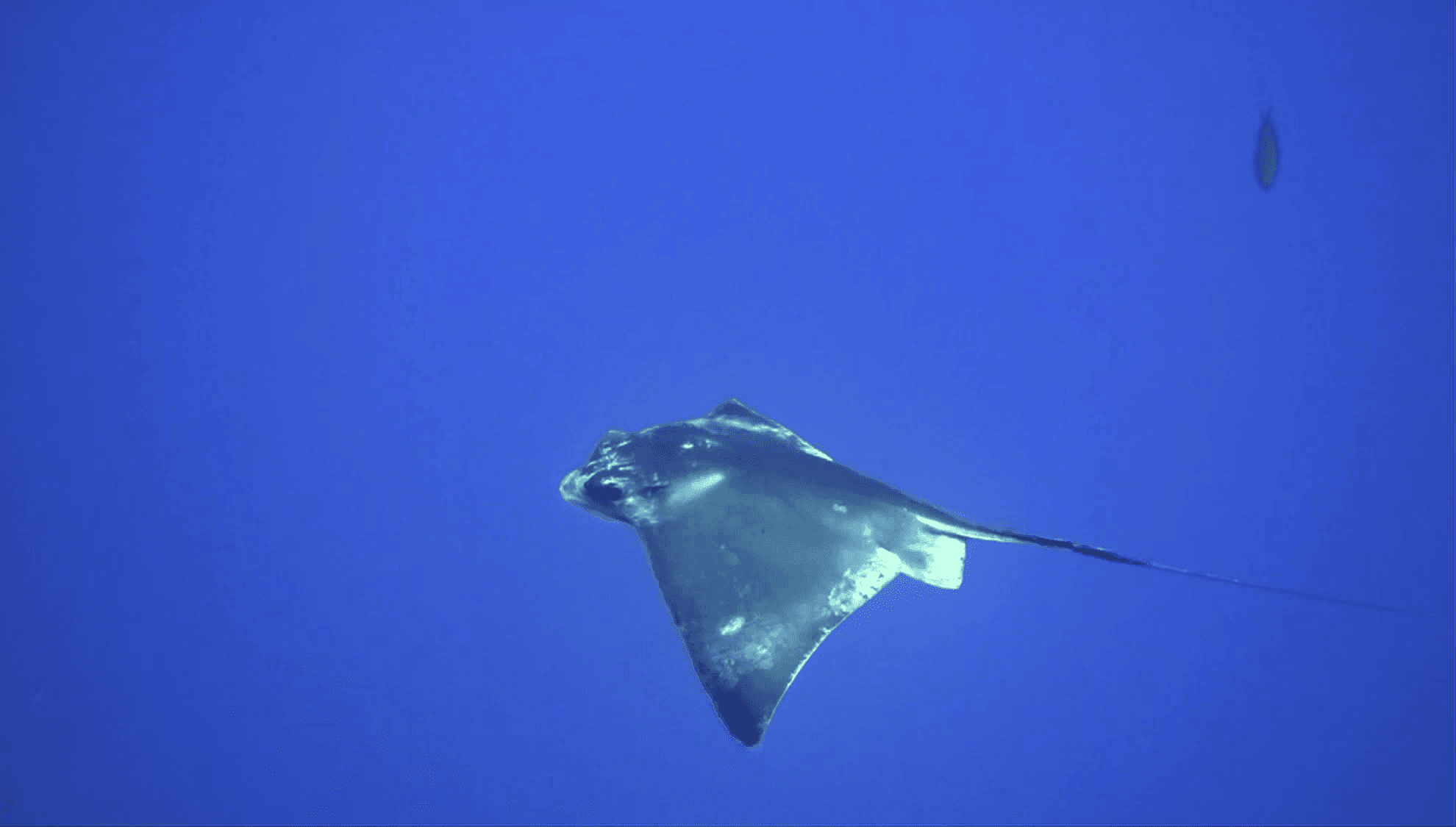
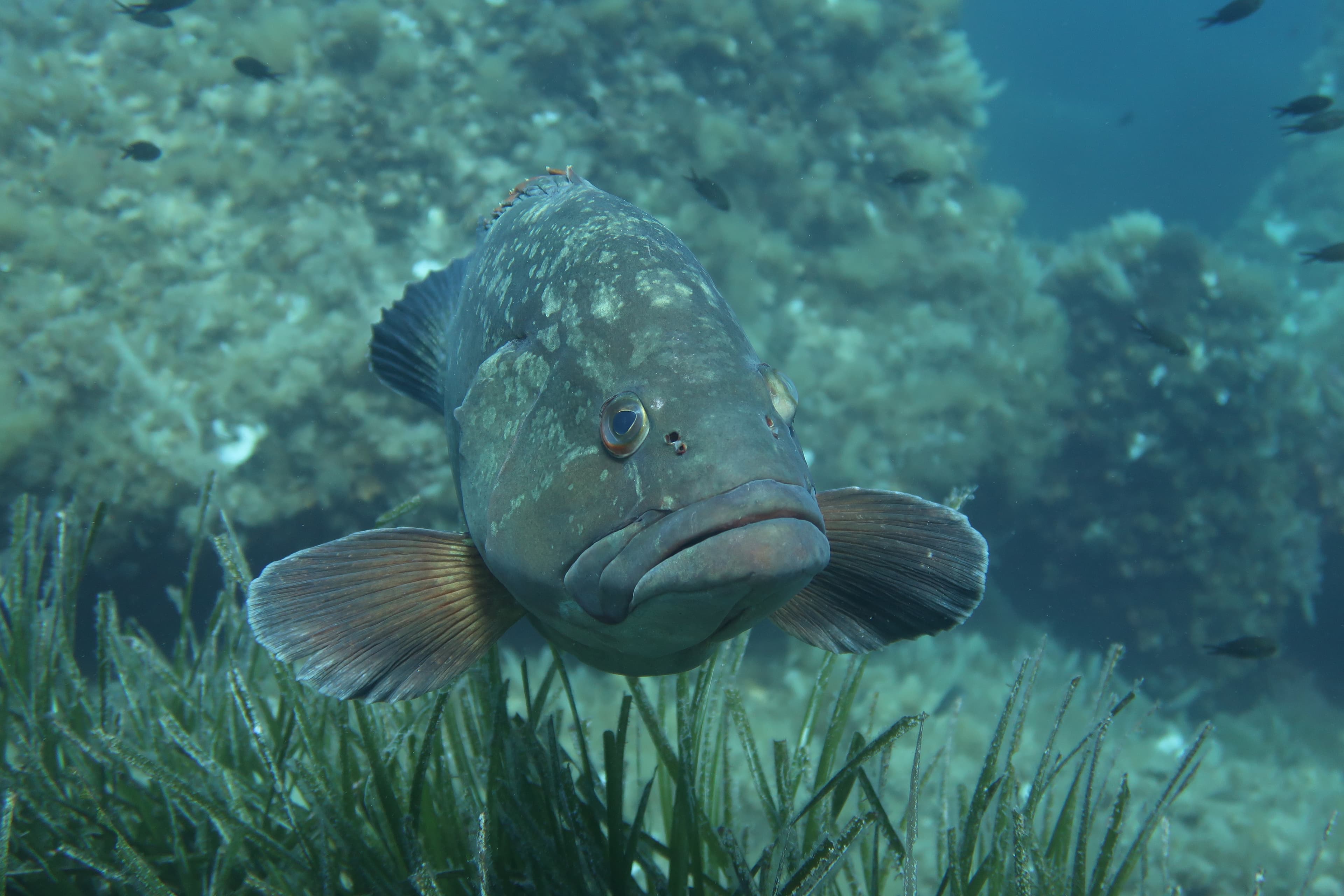
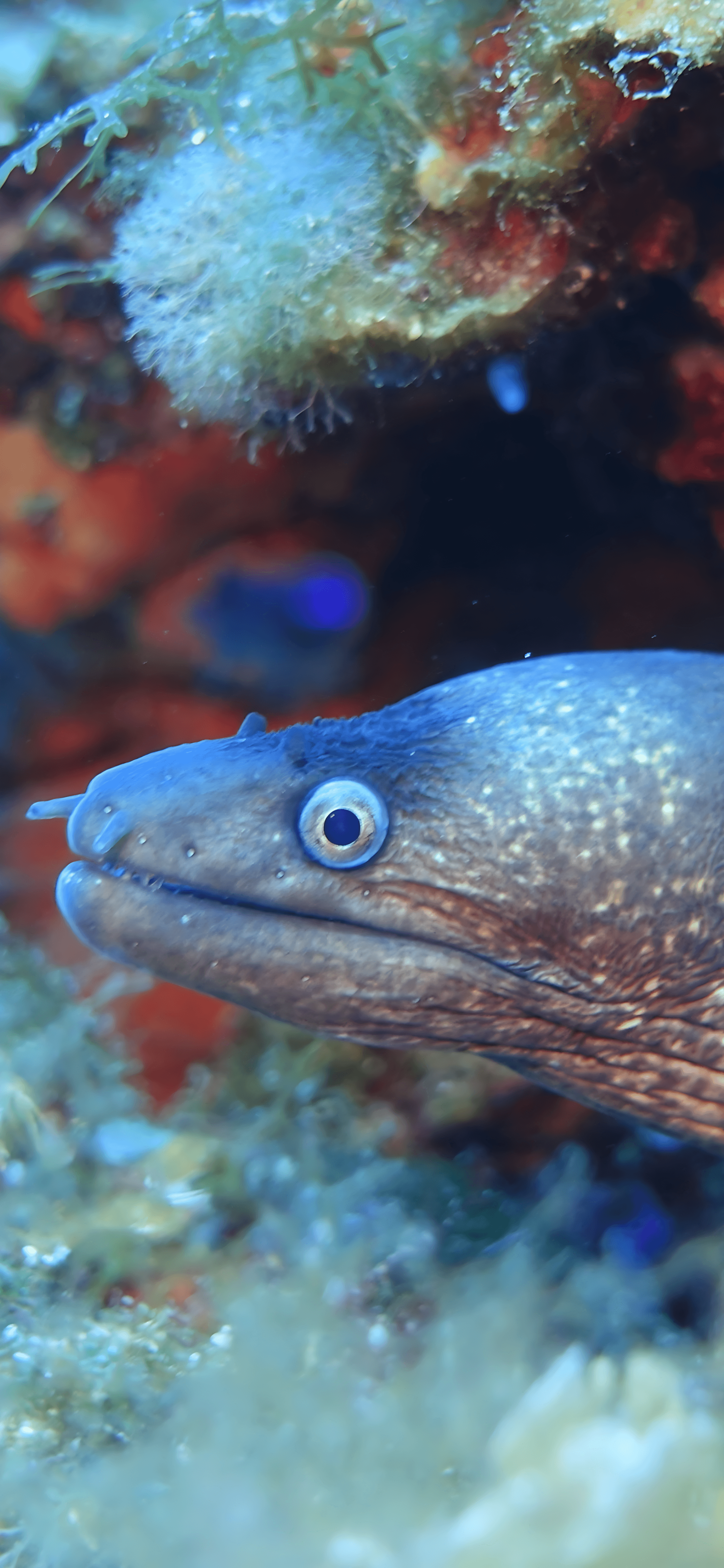
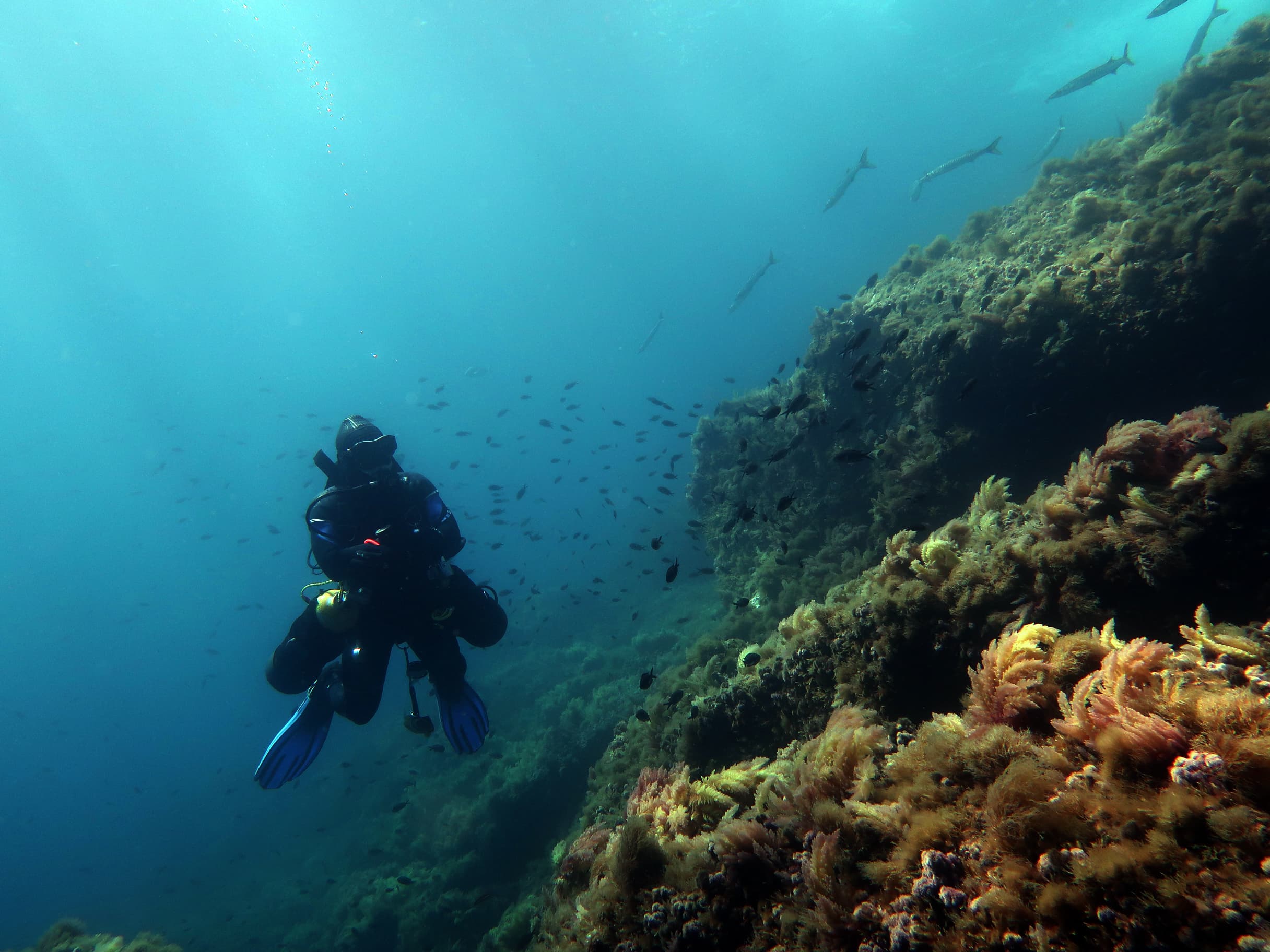
Since the marine reserve was established in 2016, nature here has recovered remarkably. Biodiversity has grown enormously and fish stocks have multiplied. Today Dragonera is particularly known for its many groupers, huge schools of barracuda and the impressive amount of Mediterranean marine life you often discover within the first minutes underwater. Morays, scorpionfish and large shoals of bream are almost always part of it. Spectacular are the sightings of eagle rays, which have increased sharply in recent years.
But Dragonera is something very special above the water too. The wild, uninhabited island with its striking silhouette owes its name to the many small Balearic lizards that resemble dragons. Even from afar the island feels mystical and untouched – and exactly this feeling stays with you while diving around the steep rock walls and spectacular underwater landscapes.
As one of the few dive centres with a year-round permit to dive in the Dragonera marine reserve, protecting this unique place is a genuine responsibility close to our hearts.
Diving in the Dragonera marine reserve
Dive spots in the marine reserve
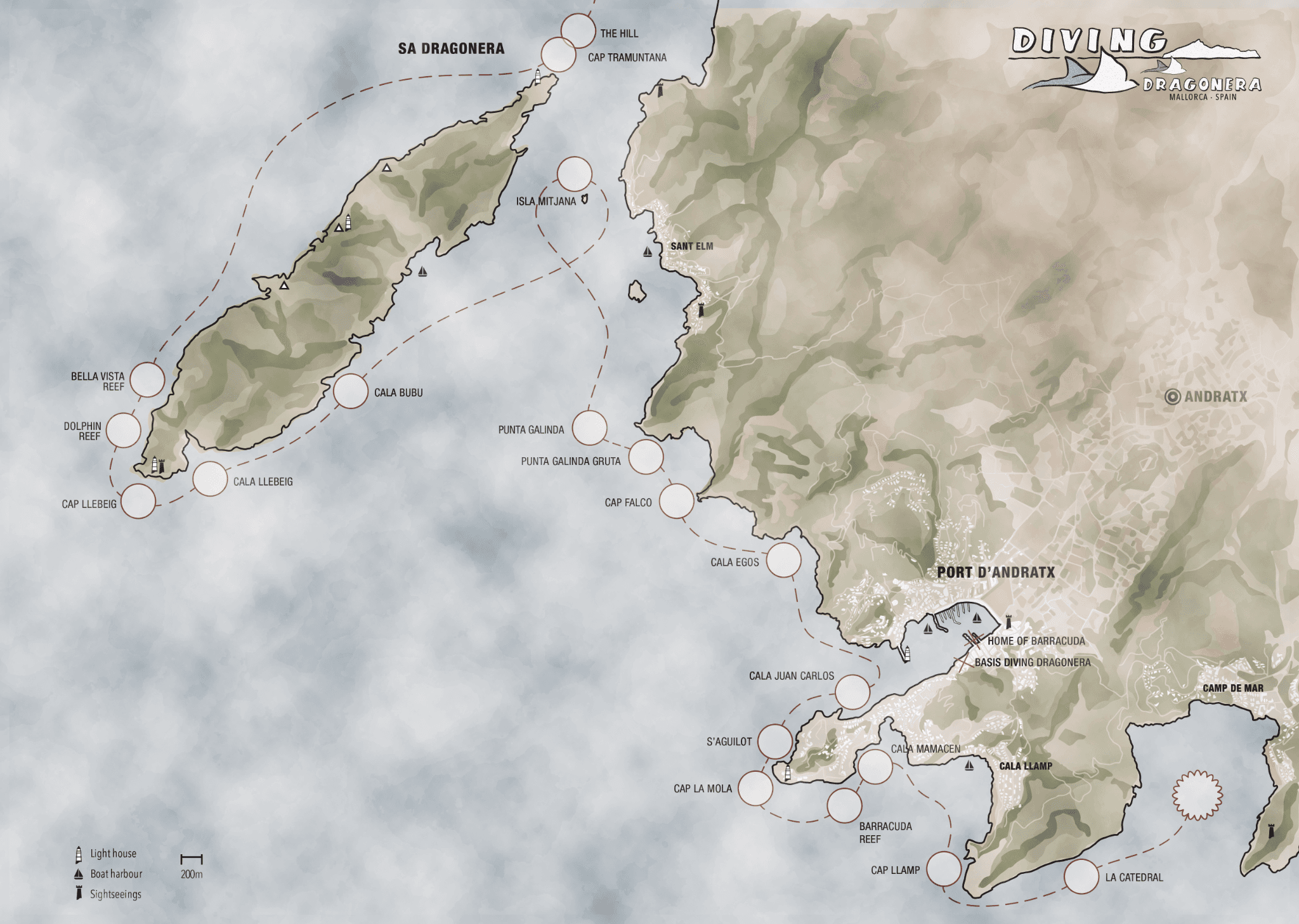
From Cap Llebeig to Cap Tramuntana, 10 stunning and varied dive spots await you all around Isla Dragonera. Whether drift dives, grottoes, steep walls or enchanting rock landscapes – Dragonera is magical above and below the water.
Since there are no buoys in the marine reserve, we run all of our dives from the free-drifting boat. That gives us maximum freedom for our route – simply drop in, descend, enjoy the dive, send up a buoy and surface wherever we like to be picked up by the boat.
Requirements divers must meet to dive in the marine reserve:
- at least 20 logged dives
- diving experience within the last 12 months
Exception: After a check dive the day before or by booking our VIP package, diving in the marine reserve is also possible even if you don't yet fully meet the requirements above. During the check dive we make sure that your most important diving skills and, above all, your buoyancy are working well.
Supporting marine conservation
As a responsible dive base, we care about our environment and the preservation of these unique habitats. We regularly offer beach clean-ups and even scientific dives with marine biologists. In doing so, we support the valuable work of local marine conservation organisations.
Want to help protect the Mediterranean? Then join one of our projects!
DeepMeroID
Identifying dusky groupers with artificial intelligence
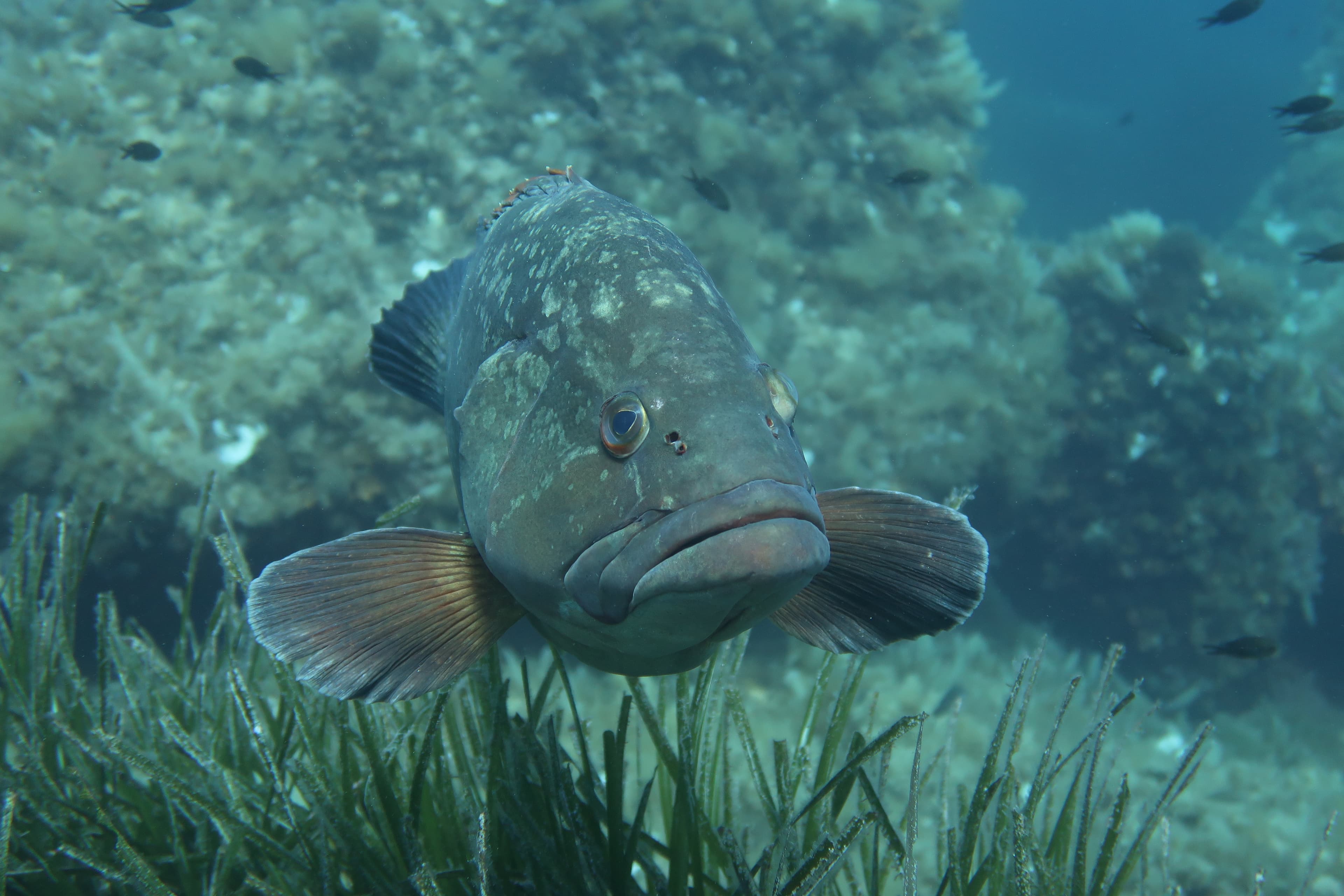
DeepMeroID is a research project for the photo identification of dusky groupers (Epinephelus marginatus) in marine reserves. Using artificial intelligence (deep learning), the individual spot patterns around the gills are analysed so that each animal can be reliably recognised.
Divers play an important role in this: photos of groupers are uploaded to the project database and automatically compared with individuals already on record. This allows scientists to track the development of individual animals over many years and to gain valuable insights into populations and the success of marine conservation measures.
We actively support DeepMeroID by introducing the project to our guests and encouraging them to submit their grouper photos.
We also regularly organise special dives where the responsible marine biologist presents the project at our base and shares fascinating insights into his research.
Observadores del Mar
Supporting marine research together

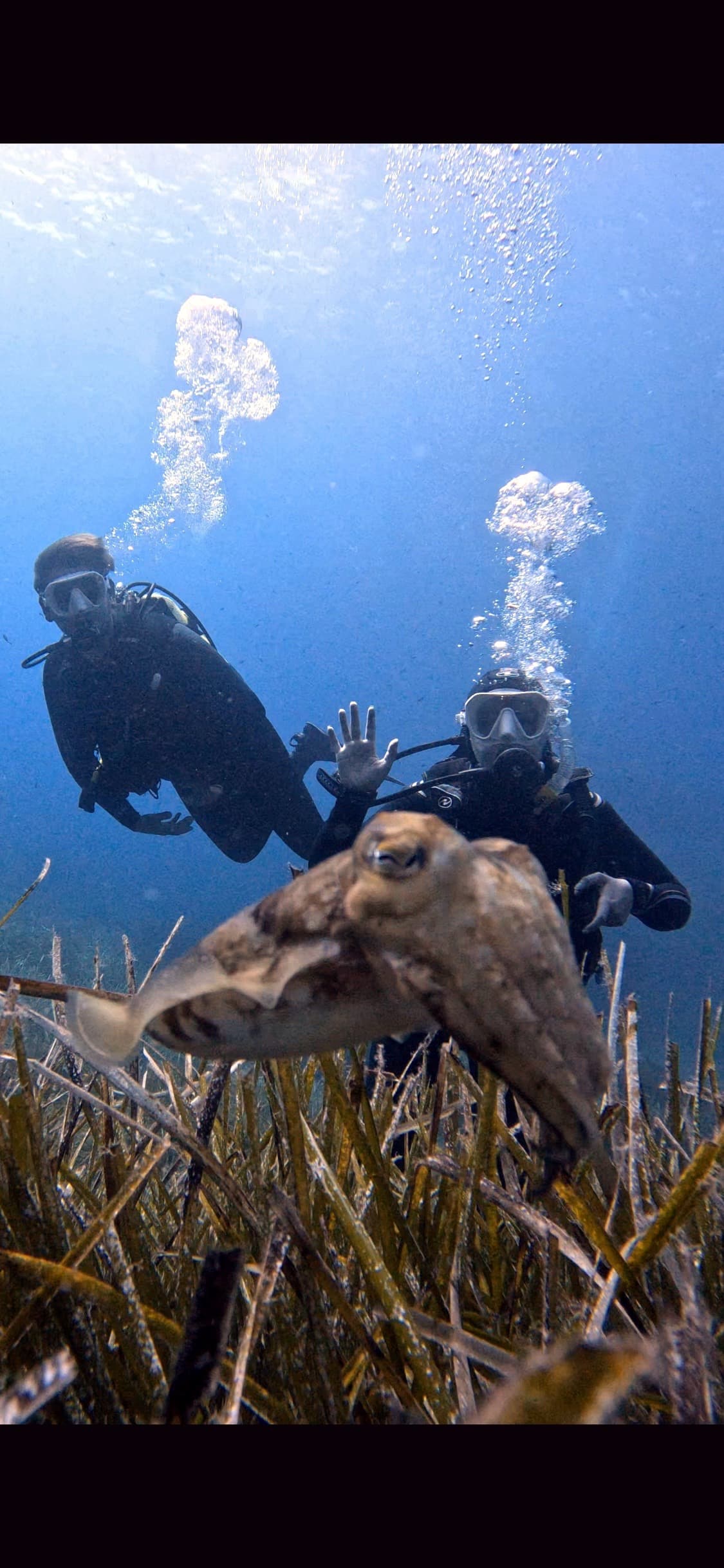
Observadores del Mar is a citizen science platform that connects scientists with people who love the sea. Divers, snorkellers, sailors and beachgoers can share their observations and photos of marine life directly on the platform, providing valuable data for research and conservation projects.
The reported observations help to document changes in marine ecosystems, track the distribution of species and gain new scientific insights into the Mediterranean. From individual observations an extensive network of data emerges that supports researchers in their work.
Together with you we want to support the project! Upload underwater photos and observations during your dives with us to Observadores del Mar. That way every dive becomes not only a special experience but also a valuable contribution to marine research and to protecting our underwater world.
Beach Clean-ups & Clean-up Dives
Working together for a cleaner sea
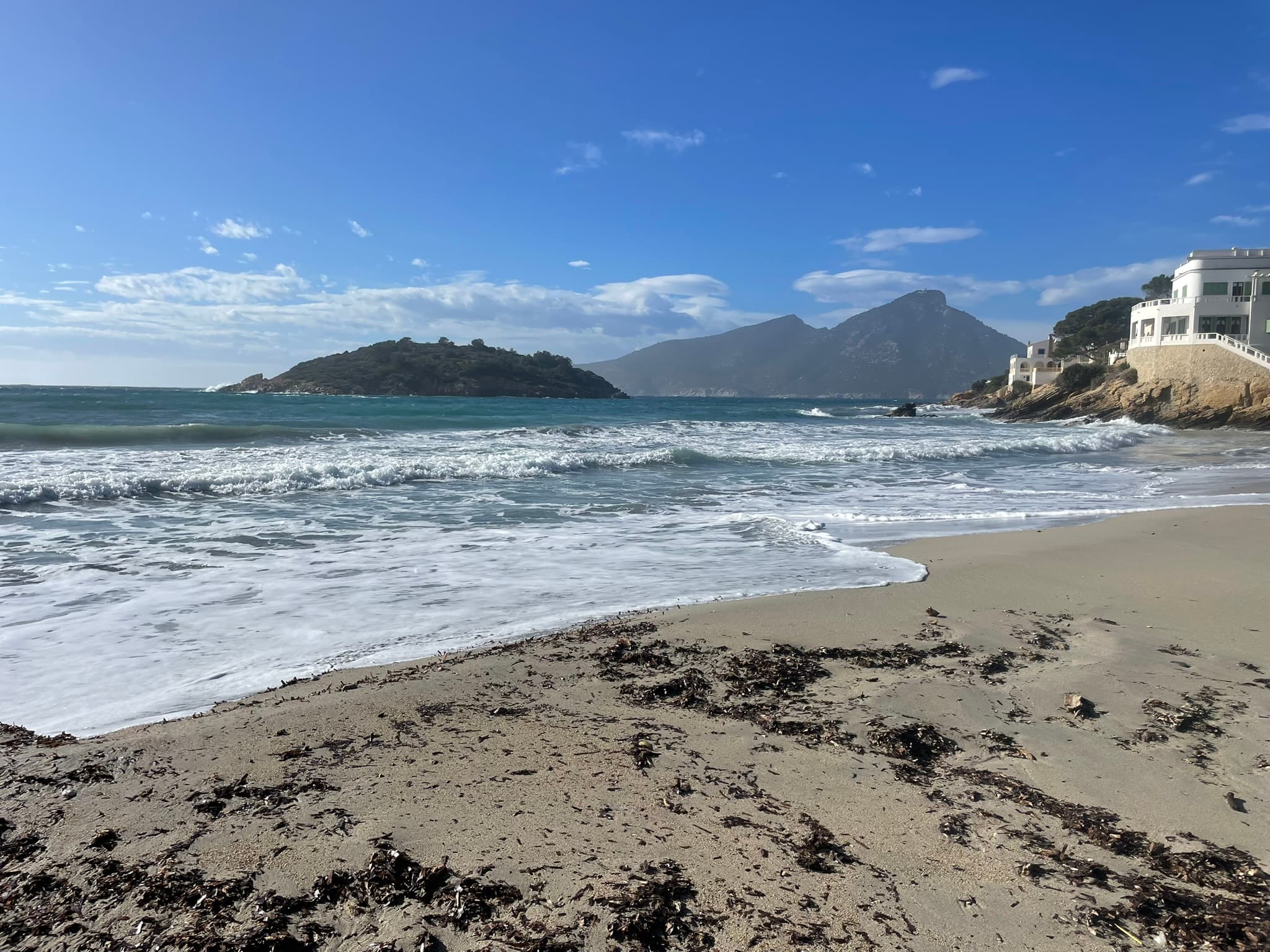
Marine conservation begins with small actions that together can achieve great things. That is why we regularly organise beach clean-ups and clean-up dives, where together we remove litter from beaches, coastlines and the sea.
Every piece of waste collected helps to reduce the burden on marine habitats and protect animals from avoidable dangers. At the same time our actions raise awareness of how closely the health of our seas is connected to our own behaviour.
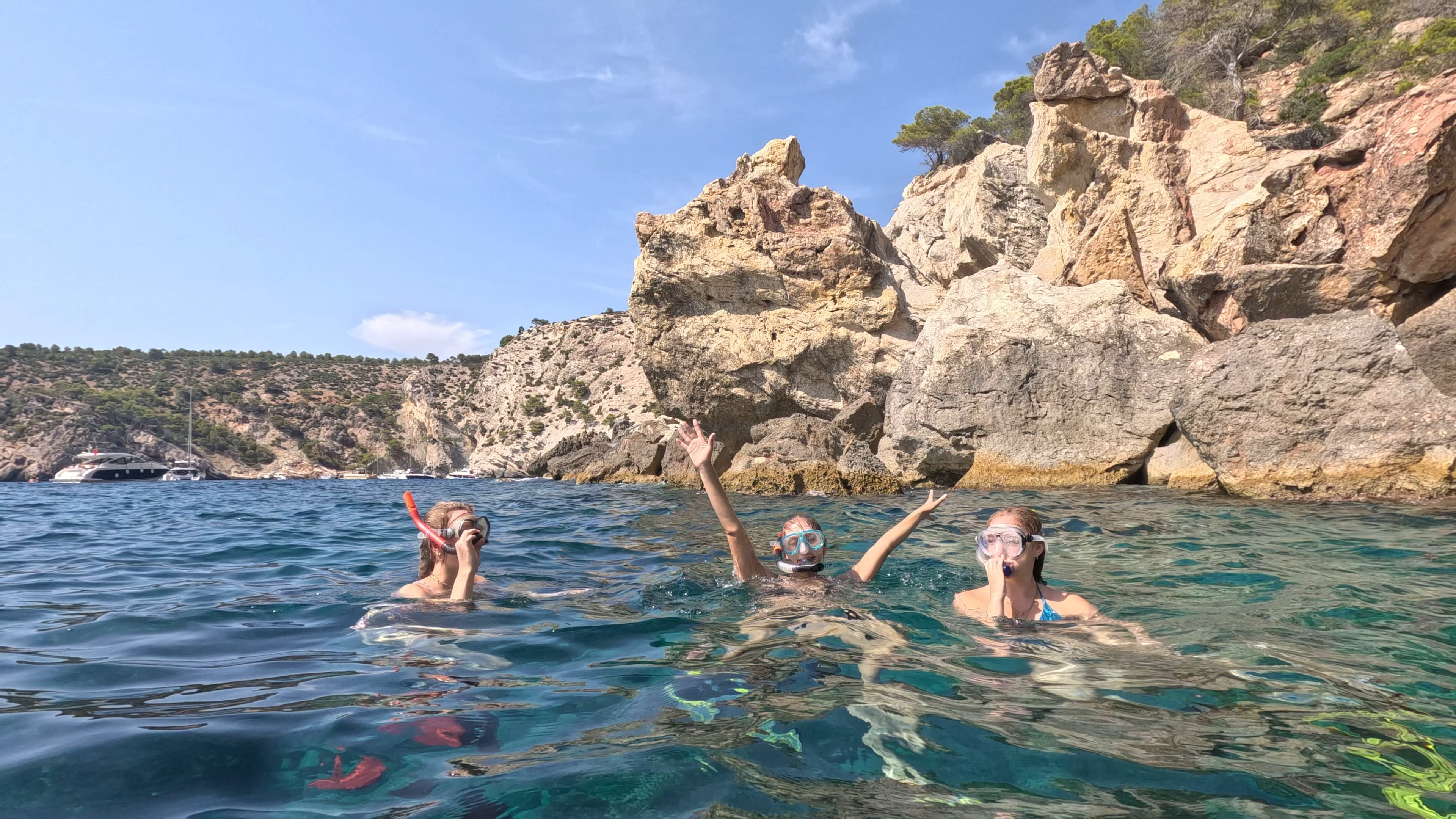
Whether diver, snorkeller or nature lover – everyone can help. Together we make a direct and visible contribution to protecting the coastlines and the unique underwater world around Dragonera and Port d'Andratx.
Citizen Science Dives
Diving for marine research
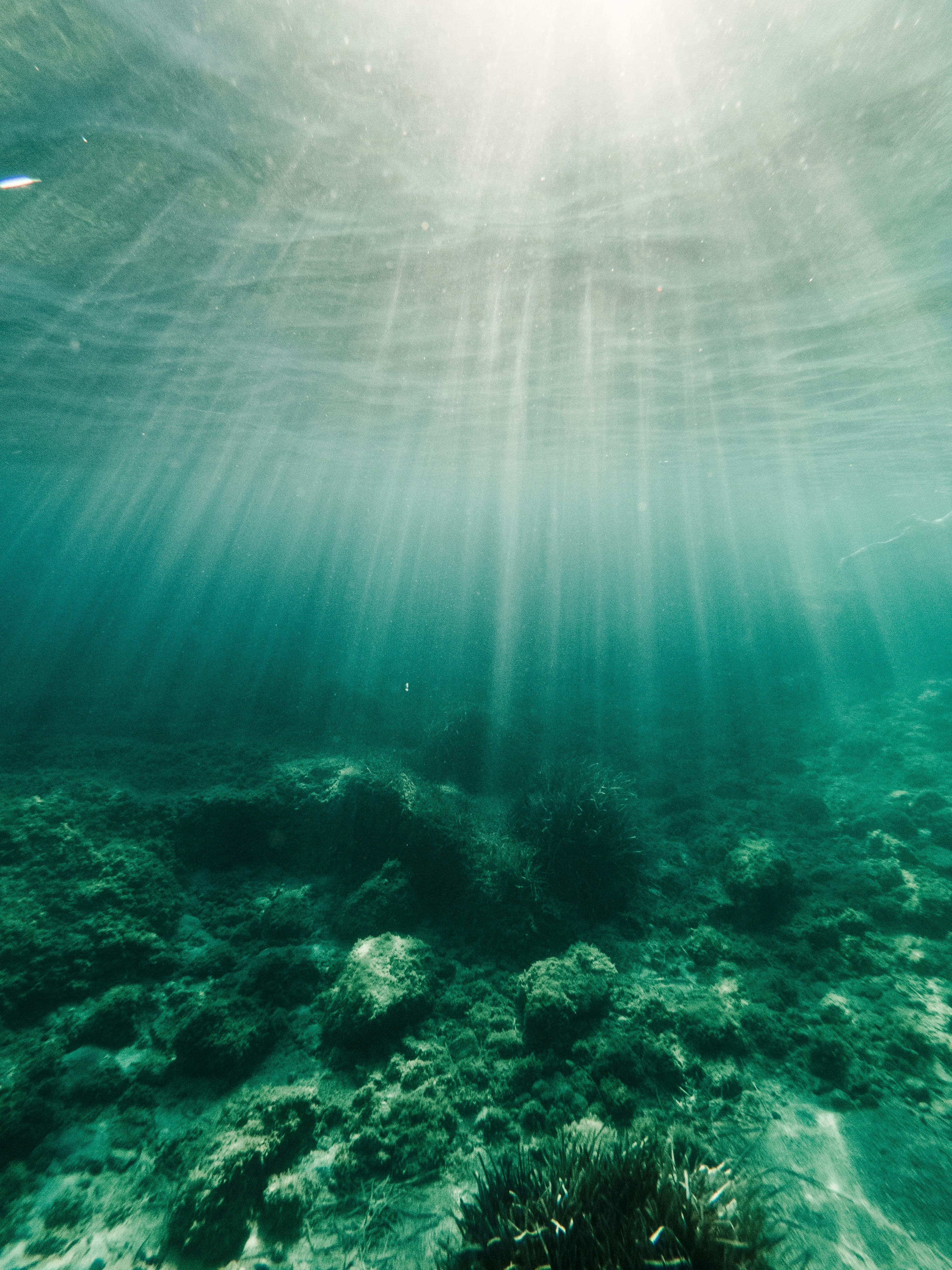
On selected dates we offer special citizen science dives that are accompanied by marine biologists. Our divers gain fascinating insights into current research projects while making their own contribution to scientific work.
Depending on the project, we support for example the annual seagrass monitoring in S'Aguilot, document fish stocks, identify individual species or record changes caused by climate change in our marine ecosystems.
The data collected helps scientists to observe the development of the underwater world over the long term and to improve conservation measures in a targeted way.
These dives combine unique nature experiences with real research and offer the chance not only to explore the underwater world, but to actively contribute to understanding and protecting it.